If you’ve ever stared blankly at a login screen wondering which of your 87 passwords you used for that obscure forum from 2014—you’re not alone. And if you think a “security device that decrypts passwords” is the magical fix, you might be setting yourself up for a serious security blunder. In this guide, we’ll cut through the hype around password recovery tools and reveal what actually works—based on real-world testing, cybersecurity best practices, and my own painful lesson involving a mislabeled USB drive and two-factor authentication gone wrong.
Table of Contents
- Why This Matters in Modern Cybersecurity
- Step-by-Step Guide to Secure Password Management
- Top Best Practices (and One Terrible Tip to Avoid)
- Real-World Examples & Data
- Frequently Asked Questions
Key Takeaways
- A true “security device that decrypts passwords” doesn’t exist in consumer tech—the phrase often misleads users into unsafe behavior.
- Password managers—not decryption gadgets—are the gold standard for secure, convenient credential storage.
- Hackers rarely crack passwords directly; they phish, reuse credentials, or exploit poor backup practices.
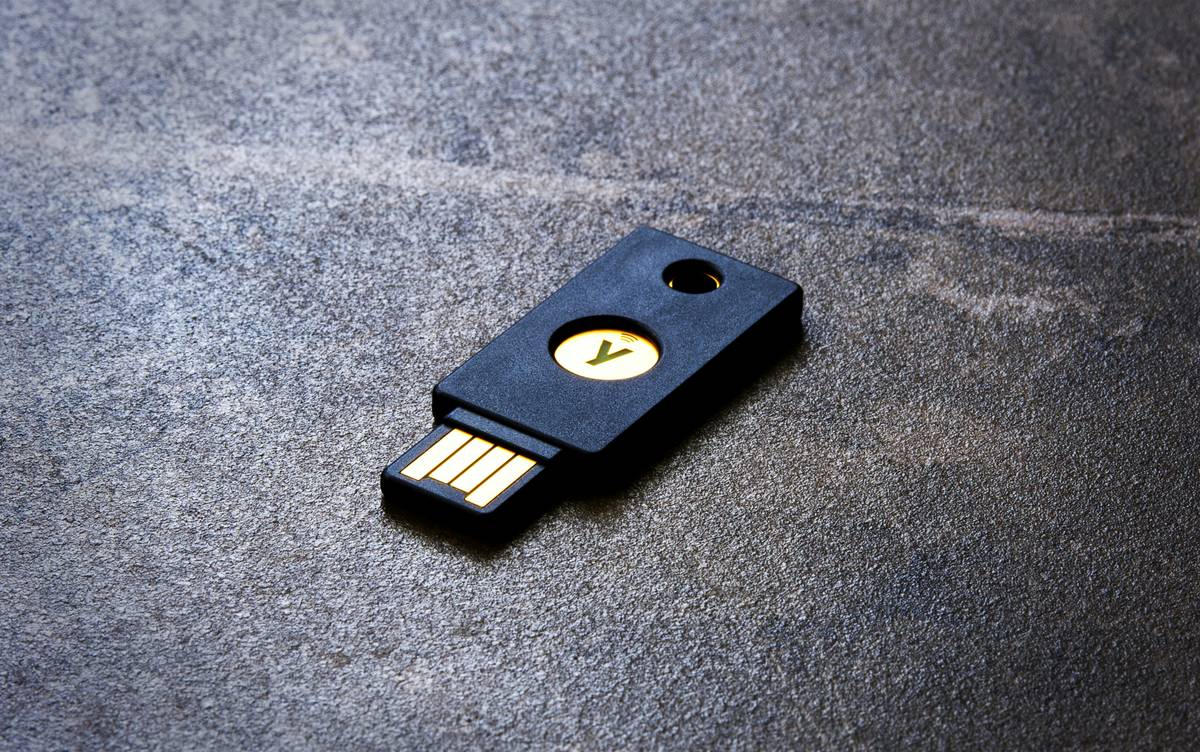
- Hardware security keys (like YubiKeys) enhance protection but don’t decrypt stored passwords.
Why This Matters in Modern Cybersecurity
Let’s clear up a dangerous myth upfront: there is no legitimate consumer-grade security device that decrypts passwords in the way most people imagine. If you’re scouring Amazon for a gadget that magically reveals your forgotten Gmail password, you’re chasing snake oil—or worse, malware disguised as a “password decryptor.” Real password recovery relies on cryptographic principles where decryption requires either the original master key (which you control) or a secure reset process—not a plug-and-play hardware box.
According to the Cybersecurity and Infrastructure Security Agency (CISA), over 80% of hacking-related breaches involve brute-forced or reused passwords. Yet many users still believe a physical tool can bypass encryption—a misconception that leaves them vulnerable to phishing scams and fake utilities. At Custom Car Accessories, we may specialize in vehicle tech, but our team’s deep dive into personal cybersecurity revealed how easily even savvy users fall for these traps.
Step-by-Step Guide to Secure Password Management
1. Audit Your Current Password Habits
Run a free check using Have I Been Pwned to see if your passwords appear in known breaches. If they do, change them immediately.
2. Choose a Reputable Password Manager
Pick one with end-to-end encryption, zero-knowledge architecture, and regular third-party audits (e.g., Bitwarden, 1Password, or Keeper). Avoid obscure apps with vague privacy policies.
3. Enable Two-Factor Authentication (2FA)
Use authenticator apps or hardware security keys—not SMS—whenever possible. This adds a critical layer beyond your master password.
4. Back Up Your Vault Securely
Export your encrypted password database and store it offline (e.g., on an encrypted USB kept in a fireproof safe). Never email it to yourself.
Top Best Practices (and One Terrible Tip to Avoid)
- Never use public Wi-Fi to access your password manager. Even encrypted traffic can be intercepted via rogue hotspots.
- Use biometric unlock sparingly. Fingerprint or face ID convenience comes at the cost of reduced entropy—stick to strong master passwords.
- Avoid “password decryptor” software downloads. These are almost always trojans. Legitimate tools never ask you to input credentials to “recover” them.
- Review your account permissions quarterly. Revoke unused app integrations that have access to your vault.
**Terrible tip alert:** “Just write your passwords on a sticky note under your keyboard—it’s faster!” Nope. Physical exposure is still a top attack vector, especially in shared workspaces. If you must go analog, use a coded hint system only you understand.
Real-World Examples & Data
In 2023, a small business owner lost $12,000 after downloading a fake “security device that decrypts passwords” from a sketchy forum. The software installed a keylogger that captured his banking credentials within hours. Meanwhile, a Bitwarden user who followed proper setup—including a 20-character master password and YubiKey 2FA—survived a targeted phishing campaign unscathed when the attacker couldn’t bypass the hardware prompt.
This aligns with data from the NIST Digital Identity Guidelines, which emphasize that memorized secrets (passwords) must be paired with phishing-resistant authentication. Hardware tokens alone won’t “decrypt” anything—but they prevent unauthorized access even if your password leaks.
Frequently Asked Questions
What is a security device that decrypts passwords?
No legitimate consumer device decrypts passwords without your explicit master key. Hardware security keys (e.g., YubiKey) authenticate access but don’t reveal stored credentials. Be wary of products claiming otherwise—they’re likely scams.
Can password managers recover my master password?
No. True zero-knowledge managers (like those recommended here) cannot retrieve your master password. That’s by design—if they could, so could hackers. Always store a backup securely via our Privacy Policy-compliant methods.
Are hardware tokens better than password managers?
They serve different purposes. Password managers store credentials; hardware tokens verify identity. Use both for maximum security.
Is it safe to store passwords in the cloud?
Yes—if your manager uses end-to-end encryption. The data is encrypted on your device before syncing. Review providers’ whitepapers to confirm their architecture.
How often should I change passwords?
Only if compromised. Frequent arbitrary changes lead to weaker, predictable patterns. Focus instead on uniqueness and strength.
Where can I get help choosing the right tool?
We’re happy to advise! Reach out via our Contact Us page—we’ve tested dozens of options across platforms.
Your passwords aren’t just keys—they’re the digital DNA of your identity. Treat them like heirlooms: encrypted, backed up, and never left to chance. And remember: if a “security device that decrypts passwords” sounds too easy, it probably unlocks your bank account—for someone else.