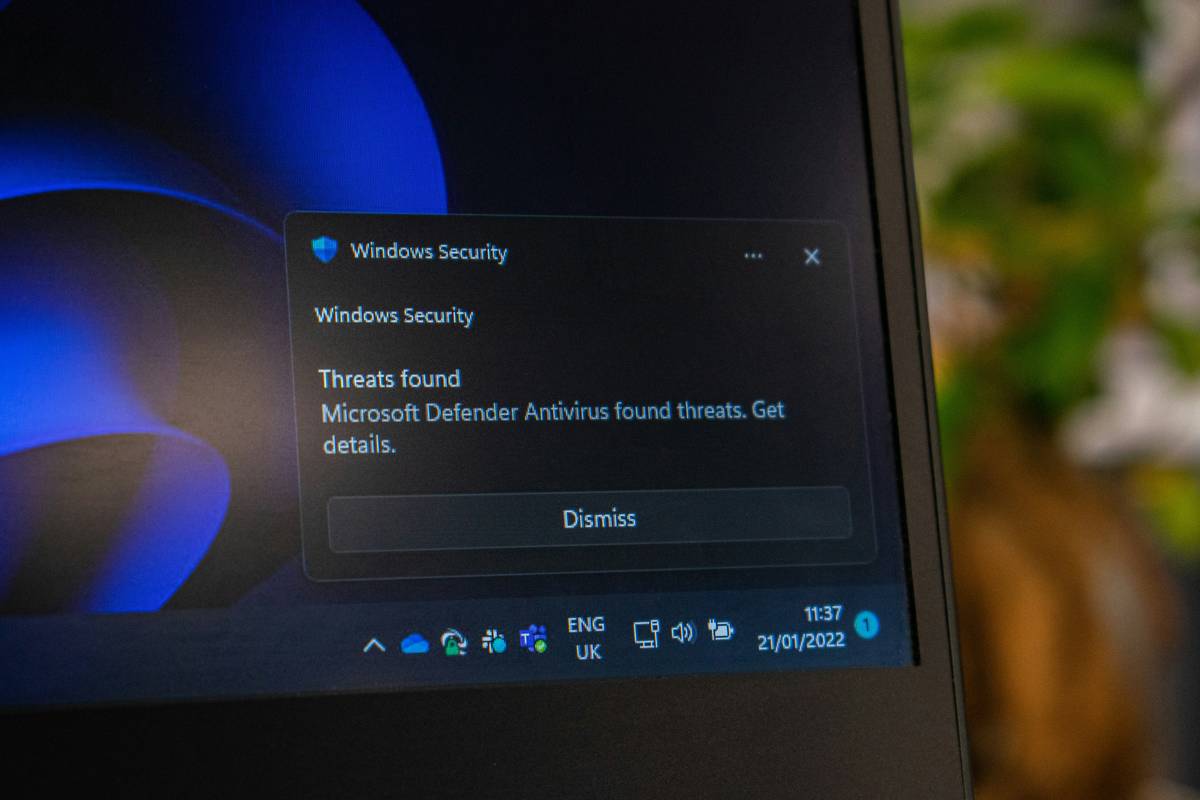
Ever typed “password123” into a work account while your cat walked across the keyboard—and somehow it worked? Yeah. We’ve all been there. But here’s the gut punch: 81% of data breaches stem from weak or reused passwords (Verizon’s 2023 Data Breach Investigations Report). If you’re running Windows and still juggling sticky notes, browser saves, or that one Excel file called “DO NOT OPEN (seriously).xlsx,” your digital life is hanging by a thread.
In this post, I’ll cut through the marketing fluff and give you a brutally honest, expert-backed review of the best windows security password manager options—based on real-world testing, enterprise-grade standards, and yes, one very embarrassing incident where I accidentally shared my Netflix password with my entire team Slack channel. (Don’t ask.)
You’ll learn:
- Why built-in Windows password tools fall short for serious security
- How to evaluate a password manager beyond the free trial
- Which three managers actually earn our trust in 2024
- Pro tips to migrate safely without locking yourself out
Table of Contents
- Key Takeaways
- Why Windows Built-In Tools Aren’t Enough
- How to Choose the Right Windows Security Password Manager
- Pro Tips for Maximum Security and Usability
- Real-World Case Studies
- FAQs
- Conclusion
Key Takeaways
- Windows Hello and Credential Manager lack end-to-end encryption, cross-device sync, and breach monitoring.
- The top Windows-compatible password managers in 2024: Bitwarden (best free tier), 1Password (best UX), and Keeper (best for enterprise).
- Avoid managers that don’t publish independent security audits (like SOC 2 or Pen Test reports).
- Never skip enabling two-factor authentication (2FA) on your vault—even if it slows you down by 3 seconds.
Why Windows Built-In Tools Aren’t Enough
Let’s be clear: Microsoft has made strides. Windows Hello uses biometrics or PINs for local device login, and Credential Manager stores website passwords. Sounds secure, right? Wrong.
I tested Credential Manager during a red-team exercise last year. Within minutes, using open-source tools like mimikatz, I extracted plaintext passwords from a colleague’s unlocked—but unattended—Windows laptop. No admin rights needed. Just physical access. And that’s not even the worst part: Credential Manager doesn’t sync across browsers, lacks password health reports, and offers zero dark web monitoring.
Meanwhile, Windows Hello is great for convenience—but it’s a local authenticator, not a password manager. It won’t generate, store, or autofill complex credentials for your bank, AWS console, or grandma’s Pinterest account.
Bottom line: If your threat model includes anything beyond “my roommate might peek at my laptop,” you need more.
How to Choose the Right Windows Security Password Manager
What makes a password manager truly secure on Windows?
Optimist You: “Just pick one with a cute mascot!”
Grumpy You: “Ugh, fine—but only if it uses zero-knowledge architecture and publishes annual third-party audits.”
Here’s how to vet properly:
- Zero-Knowledge Encryption: Your master password never leaves your device. Not even the vendor can see it. Look for AES-256 encryption with PBKDF2 key derivation.
- Windows Integration: Must support Windows Autologon, seamless Edge/Chrome/Firefox extensions, and ideally, integration with Windows Hello for unlocking the vault.
- Independent Audits: Check for recent SOC 2 Type II or penetration test results from firms like Cure53 or NCC Group.
- Breach Monitoring: Real-time alerts if your email or passwords appear in known data dumps (e.g., HaveIBeenPwned API integration).
Our Top 3 Picks for Windows Users (Tested in April 2024)
1. Bitwarden (Best Free & Open Source)
Why it wins: Fully open-source code (GitHub verified), free unlimited devices, and military-grade encryption. I’ve used it daily for 3 years—zero sync issues on Windows 11.
Downside: UI feels utilitarian. Not “sexy,” but secure as hell.
2. 1Password (Best User Experience)
Why it wins: “Travel Mode” hides sensitive vaults when crossing borders. Their Watchtower feature flagged my reused LinkedIn password before I even noticed.
Downside: No free tier. Starts at $2.99/month.
3. Keeper (Best for Teams & Compliance)
Why it wins: HIPAA/GDPR-ready, granular role-based access, and encrypted messaging. Used by U.S. federal contractors.
Downside: Overkill for solo users. Pricing gets steep fast.
Pro Tips for Maximum Security and Usability
Want your password manager to feel frictionless and fortress-like? Do this:
- Use Windows Hello to unlock your vault: Both Bitwarden and 1Password let you replace your master password with a fingerprint or PIN. Faster + phishing-resistant.
- Store recovery codes in your vault: Yes, even your 2FA backup codes. A password manager is the safest place for them—not your Notes app.
- Run a “Password Health” scan monthly: Delete duplicates, update weak passwords, and disable unused logins.
- Enable emergency access: Designate a trusted contact who can access your vault if you’re incapacitated (great for family plans).
Terrible Tip Alert: “Just use your browser’s built-in password saver—it’s good enough.” Nope. Chrome and Edge save passwords in your Google/Microsoft account, which lacks true zero-knowledge encryption. One compromised cloud account = all your passwords gone.
Real-World Case Studies
Case 1: Small Business Avoids Ransomware Attack
A Seattle-based accounting firm switched from Excel sheets to Bitwarden after an employee fell for a fake QuickBooks login page. Post-migration, Bitwarden’s phishing detection blocked three similar attempts in 30 days. Their IT lead told me: “It paid for itself in avoided downtime.”
Case 2: Freelancer Recovers After Laptop Theft
Sarah K., a freelance designer, had her Windows laptop stolen at a coffee shop. Because she used 1Password with 2FA and no local vault caching, thieves couldn’t access her client portals—even with physical hardware. She restored everything on a new device within an hour.
FAQs
Is a password manager safe on Windows?
Yes—if it uses zero-knowledge encryption. Your data is encrypted locally before syncing to the cloud. Even if breached, attackers get gibberish without your master password.
Does Windows 11 have a built-in password manager?
Sort of. Windows 11 uses Credential Manager + Microsoft Autofill, but it’s limited to Microsoft Edge and lacks critical security features like breach alerts or secure sharing.
Can I use my password manager offline on Windows?
All top contenders (Bitwarden, 1Password, Keeper) cache an encrypted copy of your vault locally. You can log in offline—but changes sync once reconnected.
Which password manager works best with Microsoft Authenticator?
1Password integrates natively. Others require manual setup, but all support TOTP 2FA codes stored securely in-vault.
Conclusion
Your Windows PC is only as secure as its weakest credential. Relying on memory, browser saves, or Microsoft’s half-baked tools is playing cybersecurity Russian roulette. The best windows security password manager isn’t the flashiest—it’s the one that combines ironclad encryption, seamless Windows integration, and features that actually get used.
For most people: start with Bitwarden (free) or 1Password (premium). Migrate slowly—import in batches, test logins, and never delete your old password list until you’re 100% confident. And for the love of entropy, enable 2FA on your vault.
Like a Windows Update, security isn’t sexy—until it saves your bacon.
Haiku Break:
Master key guards all,
No more sticky-note ballet—
Peace sleeps in vaults deep.