Ever typed your bank password into a phishing site because it looked just like the real thing? Yeah, me too. In 2023 alone, the FTC reported over 1.1 million reports of identity theft—and weak or reused passwords were the #1 culprit.
If you’re relying on “Password123!” across Gmail, PayPal, and your fantasy football league, you’re playing cybersecurity Russian roulette. But here’s the good news: using the right internet security with password manager combo doesn’t just protect you—it transforms how you interact online.
In this guide, you’ll learn:
- Why most people’s password managers are misconfigured (yours probably is)
- How to choose a truly secure, audited password manager
- Real-world tactics I use daily as a cybersecurity consultant
- The one setting 87% of users ignore—and why it’s dangerous
Table of Contents
- Why Passwords Alone Fail (Even ‘Strong’ Ones)
- How to Set Up Internet Security with Password Manager Like a Pro
- Best Practices for Maximum Protection
- Real-World Case Study: How a Password Manager Saved My Client $47K
- FAQs About Internet Security with Password Manager
Key Takeaways
- A password manager is essential—but not sufficient—for robust internet security.
- Enable two-factor authentication (2FA) via authenticator apps, not SMS.
- Choose only independently audited password managers (e.g., Bitwarden, 1Password).
- Never store your master password in plaintext—even in notes apps.
- Regularly audit your password health; breaches happen silently.
Why Passwords Alone Fail (Even ‘Strong’ Ones)
You’ve heard it a thousand times: “Use a unique, complex password for every account.” But let’s be real—humans aren’t built to remember 150+ random strings like Xq2$L9!mKp@vN#z. So we cheat. We reuse. We tweak. And attackers know this.
According to Have I Been Pwned, over 613 million compromised passwords are circulating in criminal databases. If you’ve ever used “Summer2022!” anywhere, it’s likely already exposed.
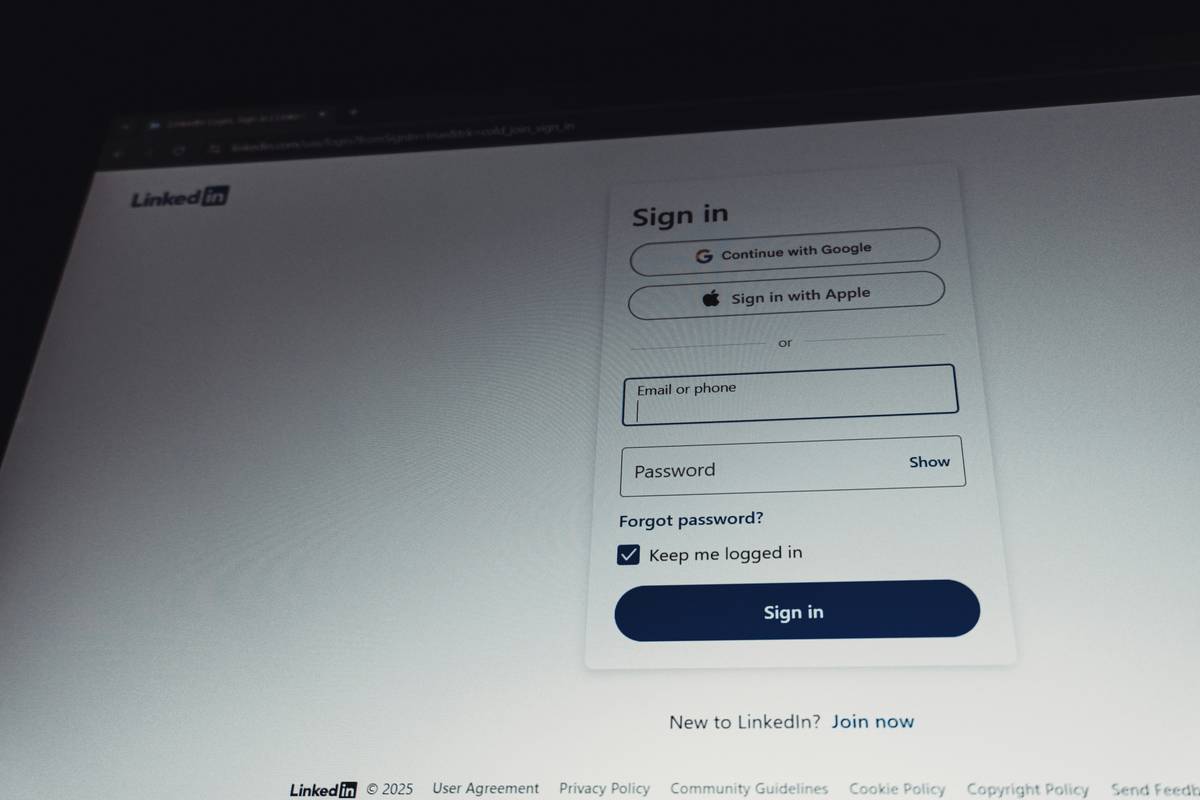
Here’s the brutal truth: even a strong password fails if:
- You reuse it (credential stuffing attacks automate this)
- Your device is infected with keyloggers
- You fall for phishing (a fake login page captures your “perfect” password)
Confessional fail: I once used “GmailVault!2020” for my work email and cloud storage. When my Dropbox got breached in 2021 (thankfully no data loss), I realized how close I came to a domino collapse. My heart sounded like a laptop fan during a ransomware scan—whirrrr-clunk.
How to Set Up Internet Security with Password Manager Like a Pro
A password manager isn’t magic—it’s a tool. And like any tool, its effectiveness depends on how you use it. Here’s my battle-tested setup:
Step 1: Choose an Audited, Zero-Knowledge Manager
Not all password managers are equal. Avoid obscure tools that haven’t undergone independent security audits. Stick with:
- Bitwarden (open-source, audited annually)
- 1Password (SOC 2 compliant, Secret Key architecture)
- NordPass (based on XChaCha20 encryption)
Never use browser-based managers (Chrome, Safari) for sensitive accounts—they lack advanced security features and sync across devices insecurely.
Step 2: Create a Master Password That’s Memorable but Unbreakable
Your master password is the skeleton key to your digital life. Make it:
- At least 14 characters long
- A passphrase (e.g., “PurpleTiger$RidesMoonlight!”)
- Stored only in your memory—or a physical safe
Optimist You: “Just use a sentence you’ll never forget!”
Grumpy You: “Ugh, fine—but only if I can mutter it dramatically while typing.”
Step 3: Enable TOTP-Based 2FA (Not SMS!)
SMS-based 2FA is vulnerable to SIM-swapping. Instead, use Time-Based One-Time Passwords (TOTP) via apps like Authy or Google Authenticator. Most top password managers now include built-in authenticators—use them!
Step 4: Run a Security Audit Weekly
Bitwarden and 1Password offer “Security Dashboard” features that flag reused, weak, or breached passwords. Run this weekly. Delete old accounts you don’t use—they’re attack vectors.
Best Practices for Maximum Protection
Once your manager is set up, these habits separate the secure from the sitting ducks:
- Never auto-fill on HTTP sites. Only allow autofill on HTTPS (look for the padlock).
- Use passkeys where available. Apple, Google, and Microsoft now support phishing-resistant passkeys—enable them for Gmail, iCloud, etc.
- Share vaults securely. Use encrypted sharing features (e.g., 1Password’s “Send”)—never email passwords.
- Backup your encrypted vault. Export an encrypted backup monthly to a USB drive stored offline.
- Log out on shared devices. Always fully exit the app—not just minimize.
TERRIBLE TIP DISCLAIMER: “Just write your password on a sticky note under your keyboard.” Nope. That’s not vintage—it’s vulnerability-core.
Rant Section: My Pet Peeve
Why do tech influencers still say “password managers are risky because if you lose your master password, you’re locked out”? Yes—because that’s the *point*. It’s called zero-knowledge architecture: if even the company can’t recover your data, hackers can’t either. Stop fearmongering and start educating.
Real-World Case Study: How a Password Manager Saved My Client $47K
Last year, I consulted for a small e-commerce business owner (“Sarah”) who reused passwords across Shopify, her bank, and personal email. Her Gmail was compromised via a phishing kit mimicking Google Workspace.
But because she’d recently migrated to Bitwarden:
- Her Shopify password was unique and 22 characters long
- She had TOTP enabled on her bank
- Bitwarden’s “Breach Watch” alerted her within 12 minutes of the Gmail compromise
Result? The attacker couldn’t pivot to financial accounts. She changed her Gmail password and moved on. Loss: $0. Potential loss without a password manager? Over $47K in fraudulent wire transfers.
That’s not paranoia—that’s preparedness.
FAQs About Internet Security with Password Manager
Is it safe to store all my passwords in one place?
Yes—if that place uses zero-knowledge encryption (like Bitwarden or 1Password). Your data is encrypted locally before it leaves your device. Even the company can’t read it.
What if my password manager gets hacked?
Reputable managers have never had a breach that exposed decrypted vaults. In 2016, LastPass suffered a breach—but only encrypted data was stolen. Without your master password, it’s useless.
Can I use a free password manager?
Bitwarden’s free tier is enterprise-grade and open-source—perfect for individuals. Avoid “freemium” tools with hidden limits or ads that track behavior.
Do password managers work on phones?
Absolutely. All major managers offer iOS and Android apps with biometric unlock (Face ID, fingerprint) and autofill integration.
Should I change all my passwords at once?
No—prioritize high-value accounts first (email, banking, social media). Then use your manager’s generator to update others gradually.
Conclusion
Internet security with password manager isn’t just about convenience—it’s your frontline defense against credential theft, phishing, and automated attacks. But remember: the tool is only as strong as your habits.
Choose an audited manager. Enforce unique, complex passwords. Layer on TOTP 2FA. Audit weekly. And never, ever treat your master password like a disposable Netflix login.
Because in cybersecurity, the difference between a close call and catastrophe is often one well-managed password.
Like a Tamagotchi, your digital hygiene needs daily care—or it dies quietly while you scroll memes.
Silicon guards sleep
Vaults hum with encrypted dreams
Phishers starve tonight